Introduction
The kitchen appliance market has seen tremendous innovation over the past decade, particularly in the blender category. What was once a single-use device for making milkshakes has evolved into multi-functional equipment capable of handling everything from frozen beverages to whole grain grinding. The Ninja Professional Blender 2.0 represents one of the contemporary options available to consumers looking for a versatile countertop blender.
Understanding what a blender can and cannot do, along with how its specific features align with your kitchen needs, forms the foundation of making an informed purchasing decision. This guide examines the Ninja Professional Blender 2.0 in detail, exploring its technical specifications, functional capabilities, and practical applications in everyday cooking and food preparation.
Understanding the Power and Performance Specifications
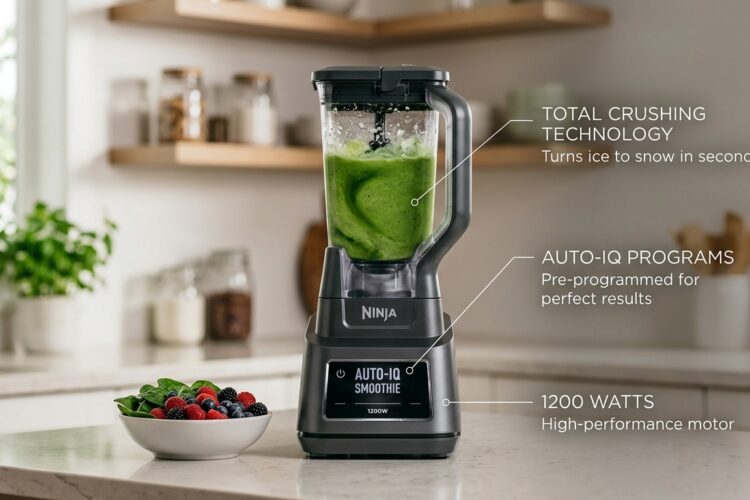
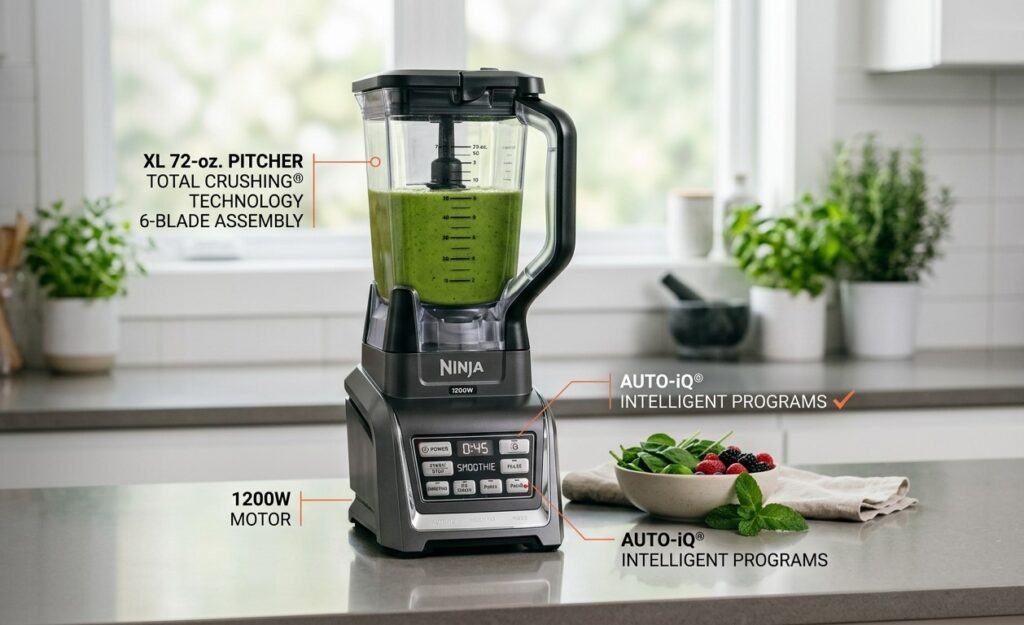
The motor is arguably the most important component in any blending device. The Ninja Professional Blender 2.0 features a 1200-watt motor, which places it in the mid-to-upper range of consumer-grade blenders. For context, this power level typically translates to the ability to handle dense ingredients and sustained blending tasks without significant strain on the machine.
Motor wattage doesn’t tell the complete story of performance, however. How that power is delivered, the blade configuration, and the overall design of the blending system all contribute to what the machine can accomplish. The “Total Crushing Technology” mentioned in the product specification refers to the blade design and its interaction with the pitcher and motor system. This technology is engineered to break down tough ingredients—ice, frozen fruit, whole nuts—more efficiently than traditional blade designs.
The auto-iQ program represents an attempt to take some of the guesswork out of blending. Rather than requiring users to manually adjust speed settings and blending duration, this program aims to optimize the blending cycle for specific tasks. Different ingredients require different approaches; frozen beverages benefit from a slower initial speed to prevent ingredient clumping, while nut butters might require sustained medium-speed grinding. An automated program removes the need for constant monitoring and manual adjustment.
The Pitcher: Capacity and Material Considerations
The 72-ounce pitcher is notably large compared to many consumer blenders, which typically range from 48 to 64 ounces. A larger capacity offers practical advantages for batch cooking and serving multiple people simultaneously. If your household includes multiple people or you frequently prepare beverages for gatherings, the extra 8-24 ounces compared to standard models can eliminate the need for multiple blending cycles.
The material composition of the pitcher affects durability, breakage risk, and ease of cleaning. While specific material details may vary by retailer or region, understanding whether your blender pitcher is glass or plastic influences its longevity and how you’ll handle it. Glass maintains clarity over time and resists staining, but carries the risk of breakage. Plastic pitchers are more durable against drops but may accumulate cloudiness or staining with heavy use.
Key Features and What They Accomplish
Blade System and Crushing Capability
The blade assembly in this model is designed to handle items beyond standard wet ingredients. Ice crushing represents one of the most demanding tasks for a blender—the ability to quickly reduce ice cubes to a fine consistency requires sharp blades and sufficient power without creating loud, alarming noises that suggest mechanical stress.
Grinding applications, such as preparing whole nuts into flour or creating nut butters, similarly demand capable blade geometry. The machine’s claimed ability to function as a grinder means it can handle tasks traditionally requiring a food processor or dedicated spice grinder, expanding its utility in your kitchen.
The Auto-iQ Intelligence System
Modern blenders increasingly incorporate automation features. The Auto-iQ program represents this trend, offering pre-programmed cycles for common tasks. These cycles typically address the different requirements of various ingredients—the program might adjust speed, duration, and pulsing patterns based on whether you’re making a frozen smoothie, a hot soup, or grinding spices.
The value of such automation depends on how you plan to use the blender. If your blending tasks are relatively consistent and align with the pre-programmed options, the convenience factor is significant. If you frequently experiment with unusual combinations or prefer manual control, you might find yourself bypassing the automation entirely.
Speed and Control Options
Beyond the automated programs, this model includes variable speed settings. Variable speed control allows you to start slowly—reducing splashing when initially combining ingredients—and gradually increase power as ingredients begin to break down. This capability is particularly useful when blending leafy greens or other light ingredients that can become airborne if exposed to high-speed forces immediately.
Practical Applications and Everyday Use Cases
Smoothies and Blended Beverages
The most obvious application for any blender is beverage preparation. The Ninja Professional Blender 2.0 can handle the standard smoothie formulas: frozen fruit, yogurt, milk, and protein powder. The sufficient wattage means these blends can be completed quickly without the machine struggling or running for extended periods.
Frozen cocktails and mocktails represent another beverage category. If you enjoy crafting drinks that incorporate ice, fresh fruit juices, and other liquid ingredients, a blender of this capacity can prepare quantities suitable for entertaining.
Hot soup preparation adds another dimension to blending capability. Some modern blenders can generate sufficient friction to warm ingredients during the blending process. If you prepare puréed soups regularly, understanding whether this particular model offers that capacity matters for your workflow.
Grinding and Milling
The grinder functionality opens applications beyond typical blending. Whole spices can be ground into powder form. Whole grains might be milled into flour, though this represents a more demanding task than many blenders are designed for—the user manual would clarify specific grain capabilities.
Dry ingredients, such as nuts, seeds, and dried fruits, can be processed into various consistencies, from coarse chunks useful for baking to fine flour-like powders. Nut butters represent another category: many users find that sustained blending of roasted nuts produces a creamy butter without requiring added oils.
Food Preparation Beyond Blending
While not a food processor’s direct substitute, a capable blender can chop vegetables, prepare salsas, and create chunky sauces when operated at lower speeds with careful pulse control. The larger pitcher size makes this particularly practical—you can process more volume in a single batch compared to smaller blenders.
Frozen desserts, from smoothie bowls to homemade soft-serve ice cream, benefit from a blender that handles frozen ingredients efficiently. The described crushing technology suggests this model is engineered for such applications.
Who This Blender May Suit Well
Individuals Focused on Smoothies and Beverages
If smoothies, protein shakes, or fresh juice-based drinks form a significant part of your diet or lifestyle, a capable blender justifies its counter space and cost. The 1200-watt motor handles frozen fruit and ice efficiently, and the volume capacity means you can prepare generous servings without multiple batches.
Households with Multiple Members
Families and shared living situations benefit from larger-capacity appliances. Preparing beverages or blended foods for multiple people becomes simpler when the pitcher accommodates larger quantities.
Home Cooks Interested in Diverse Food Preparation
The grinding and multi-functionality aspect appeals to cooks who like to experiment with different cooking techniques. Preparing nut-based sauces, spice blends, or alternative grain flours expands a blender’s relevance to your regular cooking.
People with Specific Dietary Approaches
Individuals following plant-based diets, pursuing high-protein meal plans, or interested in raw food preparation often rely heavily on blenders. The ability to create creamy nut-based dressings, process whole plant foods into usable forms, and prepare bulk quantities supports these dietary approaches.
Those Seeking Appliance Consolidation
A blender that genuinely handles grinding, crushing, and mixing reduces the number of separate appliances needed. Consolidating functionality appeals to people with limited counter space or those seeking to simplify their kitchen setup.
Important Considerations Before Purchasing
Noise Level Reality
Blenders, particularly those with powerful motors, produce significant noise. A 1200-watt motor generates sound levels that might disturb others in your household, especially during early morning or evening use. If noise sensitivity is a concern, understanding the typical decibel output would help in your decision-making.
Space and Counter Placement
The physical footprint of the blender affects whether it’s convenient to keep on the counter or must be stored in a cabinet. A 72-ounce pitcher implies a unit with proportional width and depth. Measuring your intended placement location beforehand prevents the common situation of purchasing an appliance that doesn’t fit your space.
Cleaning and Maintenance Requirements
While many modern blenders feature self-cleaning cycles—where you add water and liquid soap, then run the blender to clean the pitcher—truly thorough cleaning often requires disassembling the pitcher base and blade system. The time investment in cleanup affects the appeal of frequent blending. Understanding the maintenance requirements in your specific model’s documentation ensures you’re comfortable with the regular care demands.
Warranty and Support
Appliance warranties vary significantly. Some cover manufacturing defects for one year, while others offer extended coverage or accidental damage protection. The availability of replacement parts, particularly pitcher and blade assemblies, influences the long-term utility of the machine if components wear out or break.
Motor Longevity and Actual Usage
Motor lifespan depends largely on how intensively you use the blender. Daily smoothie preparation represents moderate usage, while running the machine for prolonged periods daily or handling extremely demanding tasks like grinding grains regularly may accelerate wear. Understanding your expected usage pattern helps assess whether a particular machine’s probable lifespan aligns with your needs.
Comparative Overview: Understanding the Blender Landscape
The blender market exists along several dimensions of variation. Understanding where this model sits within general categories helps contextualize its position.
Entry-Level, Mid-Range, and Premium Tiers
Consumer blenders generally fall into three categories based on motor wattage and price point. Entry-level models typically range from 300 to 600 watts and handle basic blending tasks with limitations on ice crushing or heavy-duty grinding. Mid-range models, which includes the 1200-watt category, balance capability with reasonable cost. Premium models may exceed 2000 watts and include commercial-grade components.
The Ninja Professional Blender 2.0, with its 1200-watt motor, occupies the mid-range tier. This positioning suggests it offers significantly more capability than entry-level options while remaining more affordable than commercial-grade equipment.
Glass Versus Plastic Pitcher Options
Blenders come with either glass or plastic pitchers, each with tradeoffs. Glass maintains clarity and resists staining but poses breakage risk and is heavier. Plastic is durable and lightweight but may become cloudy or stained over extended use. The material composition of your specific model affects practical factors like ease of use and long-term appearance.
Automated Programs Versus Manual Control
Some blenders offer only variable speed settings, requiring users to manually select speed and duration for each task. Others include automated programs targeting specific applications. The presence of Auto-iQ represents the latter approach, offering convenience at the potential cost of flexibility.
Capacity Ranges
Blender pitchers range from 40 ounces in compact models to 90+ ounces in commercial equipment. A 72-ounce capacity positions this model on the larger side of consumer options, beneficial for batch preparation but requiring adequate counter or storage space.
Common Questions About This Model
How does it perform with leafy greens?
Leafy greens, particularly in large volumes, can create difficulty in some blenders. Starting at lower speeds and using liquid to create initial movement prevents leafy ingredients from clumping around the blades. The variable speed control on this model supports this approach.
Can it heat ingredients through friction?
Some high-powered blenders generate sufficient friction to warm blended ingredients. Whether this particular model includes that capability depends on specific engineering details best found in the product documentation or manufacturer specifications.
Is it suitable for nut butter production?
Blenders can produce nut butters through sustained blending, though they’re not necessarily the most efficient tool for this purpose. The time required may exceed that of a food processor, and the motor experiences sustained stress. While possible, understanding whether you’re willing to invest several minutes of runtime for nut butter production matters for your usage patterns.
How loud is it compared to other blenders?
Decibel measurements would be found in product documentation. In general, higher wattage motors produce more noise. If noise level is critical to your situation, seeking specific measurements would help in comparison.
What warranty coverage applies?
Warranty terms vary by retailer and region. Standard consumer product warranties typically cover manufacturing defects for one to two years. Extended protection plans may be available through some retailers or the manufacturer.
Can it process hot ingredients?
Many blenders can handle ingredients that are warm or slightly hot, but boiling hot liquids can pose risks due to steam building pressure within the sealed pitcher. Instructions in your user manual would specify temperature limits.
How much power is actually needed for typical blending?
Most common blending tasks—smoothies, basic grinding, crushing ice—require less than the full 1200 watts available. The higher wattage provides headroom for demanding tasks and allows completion of jobs more quickly while the motor doesn’t stress excessively.
Maintenance and Care Practicalities
Proper care extends appliance lifespan. Most blenders should be rinsed immediately after use to prevent ingredient residue from hardening on the blades and pitcher. Self-cleaning cycles, available on many modern models, involve adding warm water and liquid soap, then running the blender briefly to dislodge remaining particles.
Periodic deep cleaning—disassembling the pitcher base and blade assembly to clean components thoroughly—prevents mold or mildew development in sealed areas. The frequency depends on usage and whether you store the blender with the pitcher attached.
Blade care involves not forcing objects through the blades manually and being cautious about processing extremely hard items that might dull or damage the blade edges over time. Respecting the machine’s design parameters ensures continued smooth operation.
The Broader Context of Kitchen Appliance Selection
Choosing a blender involves more than identifying technical specifications. It requires honest assessment of your actual cooking habits, the space available in your kitchen, the noise implications for your living situation, and your willingness to maintain the appliance regularly.
A powerful, large-capacity blender sitting unused in a cabinet represents poor resource allocation, regardless of its capabilities. Conversely, a smaller or less powerful machine that you use daily adds real value to your routine. The best appliance is one that genuinely fits into your life and supports your actual patterns of food preparation, not an idealized version of how you might cook someday.
Conclusion
The Ninja Professional Blender 2.0 represents a contemporary option in the mid-range segment of consumer blenders. Its 1200-watt motor, 72-ounce capacity, and multi-function design—including crushing and grinding capabilities—position it for users who blend frequently and need capability beyond basic smoothie preparation.
The automated programs reduce complexity for those who prefer minimal decision-making, while variable speed settings support precision for users who like manual control. The larger pitcher size advantages households preparing beverages for multiple people or those interested in batch food preparation.
Realistic assessment of your blending needs, available space, noise tolerance, and maintenance expectations should guide your decision. For individuals whose cooking frequently involves blended or ground ingredients, or who regularly prepare frozen beverages, this category of machine typically proves useful. For occasional blending, simpler or more compact options might better serve your needs.