Introduction
Coffee brewing has evolved significantly over the past decade. What was once a simple task of boiling water and steeping grounds has transformed into an art informed by technology, personal preference, and lifestyle needs. Today’s coffee makers aren’t just about convenience—they’re about giving people control over how their morning coffee experience unfolds.
The Ninja 12-Cup Programmable Coffee Brewer represents a segment of modern kitchen appliances designed to address the real needs of people who drink coffee regularly. Whether you’re someone who needs consistent coffee for a family, a household with different coffee preferences, or someone who simply wants brewing flexibility without complexity, understanding what this machine actually does—and doesn’t do—can help determine if it’s the right fit for your kitchen.
This article explores the features, capabilities, and practical considerations of this particular coffee maker to give you a clearer picture of how it works and who might find it genuinely useful.
Key Features and What They Mean
Dual Brew Styles
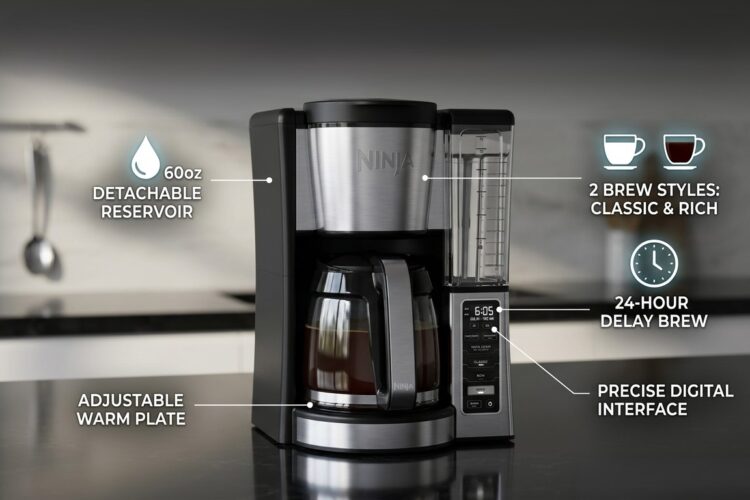
One of the defining characteristics of this Ninja model is its dual brew capability. The machine offers two distinct brewing modes that appeal to different coffee preferences.
The first brew style typically delivers a standard brewing process suitable for general coffee drinking. The second option is often designed to produce a more concentrated brew, which some coffee drinkers prefer for stronger, bolder flavor profiles. These aren’t just marketing terms—they represent different brewing cycles that adjust factors like water distribution and contact time.
What matters here is understanding your own coffee preferences. If everyone in your household drinks coffee the same way, having two options might seem excessive. However, if you have people who prefer lighter coffee and others who want something robust, this feature addresses a real household dynamic without requiring two separate machines.
12-Cup Capacity
The 12-cup specification refers to standard coffee cup measurements (typically 5 ounces per cup in industry standards). In practical terms, this means the reservoir holds approximately 60 ounces of water, which translates to brewed coffee that serves multiple people or provides supply for the day.
For a single person, 12 cups is substantial—likely more than most people drink in a morning session. For families or small offices, it represents a reasonable amount that balances convenience with freshness. There’s a practical consideration here: larger batches mean fewer brewing cycles, but they also mean coffee sits in the pot longer. Many people choose to use only part of the capacity and brew more frequently if they’re particular about coffee freshness.
Programmable Delay Brew
The delay brew function allows you to set a specific time for the machine to begin brewing. In practical terms, this means setting your desired wake-up time the night before, and having freshly brewed coffee ready when you wake.
This feature serves a specific lifestyle need: people with consistent morning schedules who want to minimize morning tasks. The technology involved is straightforward—the machine’s timer holds the water and grounds, then initiates the brewing cycle at your programmed time.
It’s worth noting that this feature works best for people with regular routines. If your schedule varies significantly from day to day, you might find yourself programming the machine differently most days, which reduces the convenience factor.
Adjustable Warm Plate
The warming plate keeps brewed coffee at a drinkable temperature after brewing completes. This Ninja model includes an adjustable feature, meaning you can likely select between different temperature settings.
The practical value of this feature depends on how you consume coffee. If you brew a full pot and drink it slowly throughout the morning, an adjustable warm plate prevents the coffee from becoming too hot to the point of degradation or too cool to enjoy. If you typically drink coffee immediately after brewing, this feature becomes less relevant to your experience.
One consideration: warmer plates can affect coffee quality over extended periods. Most coffee enthusiasts recommend consuming brewed coffee within 30 minutes of brewing for optimal flavor, though warming plates keep it safe to drink well beyond that timeframe.
60-Ounce Water Reservoir
The water reservoir’s size is essentially the flip side of the 12-cup capacity. A 60-ounce reservoir means you fill the machine less frequently, but it also means measuring water carefully if you don’t want to brew a full pot.
The positioning and design of the reservoir affects practical usability—refilling should be straightforward without awkward angles or removing internal components. The larger capacity reduces daily maintenance but increases the amount of time coffee sits after brewing.
How People Use This Type of Coffee Maker
Household Coffee Station
Many households set up their coffee maker as a central morning station. One person programs it the night before, and by morning, coffee is ready for whoever wakes first. This setup works particularly well for households with multiple adults on different schedules or families with teenagers who have varying wake times.
The 12-cup capacity supports this use case by ensuring enough coffee for multiple people across a stretched morning timeframe.
Office or Workspace Settings
Workplaces sometimes use regular drip coffee makers in break rooms. The capacity and programmable features make this machine suitable for small office environments where someone is responsible for starting the coffee maker or where a timer is beneficial.
Daily Coffee Supply for Individuals
Some people actually do drink 12 cups of coffee throughout the day. For these individuals, brewing once and maintaining temperature through the morning simplifies their routine compared to brewing multiple smaller batches.
Households with Mixed Coffee Preferences
The dual brew feature specifically serves households where some people want stronger coffee and others prefer lighter varieties. Rather than each person brewing separately or making compromises, this feature allows for individual preferences from a single machine.
Who Might Find This Machine Suitable
People with consistent morning routines benefit most from programmable features. If you wake at the same time most days and want coffee ready immediately, delay brew functionality is genuinely useful.
Households with multiple coffee drinkers appreciate the 12-cup capacity. Brewing once to serve several people is more efficient than everyone making individual servings or taking turns with a smaller machine.
Those seeking straightforward, traditional brewing without complexity will appreciate this machine’s approach. It doesn’t attempt to be an espresso machine, grinder, or specialty beverage maker—it’s designed to brew regular drip coffee well.
People with different coffee strength preferences find value in the dual brew styles. This addresses a real household dynamic where taste preferences would otherwise lead to inefficient workarounds.
Home coffee drinkers who prioritize convenience over specialty features may appreciate that this focuses on core functionality rather than adding features they’d rarely use.
Important Considerations and Limitations
Coffee Freshness and Volume
Brewing 12 cups means coffee may sit for extended periods. Freshness matters to many coffee enthusiasts, and a larger volume sometimes means compromise on this front. Some users find they only actually use 8 cups and prefer brewing smaller batches more frequently, which means underutilizing the machine’s capacity.
Brew Quality Factors
Drip coffee makers, regardless of features, have inherent limitations compared to specialty brewing methods. Water temperature, contact time, and distribution affect quality. The dual brew feature addresses some variation, but it doesn’t overcome fundamental characteristics of drip brewing.
Maintenance and Cleaning
Like all coffee makers, this machine requires regular cleaning for optimal function. Hard water can cause mineral buildup. The specific design of this model will determine how accessible internal components are for cleaning. Understanding maintenance requirements before purchase helps avoid surprises about effort and frequency needed.
Space Considerations
A machine designed to brew 12 cups occupies more counter space than compact alternatives. For kitchens with limited counter real estate, this physical footprint might be a practical concern worth evaluating.
Limited Customization
While the machine offers dual brew styles and adjustable warming, it doesn’t provide the granular control of more advanced brewing systems. Water temperature, contact time, and flow rate are preset—you’re working within the parameters the manufacturer designed.
Comparing Coffee Maker Categories
Understanding where this machine sits in the broader landscape helps clarify its actual advantages and limitations.
Versus single-serve pod machines: Single-serve brewers offer variety and quick brewing but cost more per serving and generate more waste. This Ninja model produces coffee at lower cost per cup but requires brewing larger quantities.
Versus manual pour-over methods: Pour-over brewing offers maximum control and can produce excellent coffee, but requires active participation each time and smaller batch sizes. This machine prioritizes convenience and volume over hands-on control.
Versus premium specialty machines: High-end coffee makers often include grinders, temperature precision, or espresso capabilities. This model trades those features for simplicity and focus on core drip brewing.
Versus basic, non-programmable drip brewers: Programmable features add convenience and consistency. The trade-off is slightly higher cost and more complexity—though minimal compared to specialty machines.
Frequently Asked Questions
How does dual brew actually work? The two brew styles likely adjust the brewing cycle duration or water flow rate. One typically produces standard-strength coffee; the other concentrates the brewing for stronger flavor. The specific mechanisms depend on the machine’s engineering, but the goal is delivering different flavor profiles from the same machine.
Can you brew fewer than 12 cups? Most programmable coffee makers allow partial filling. However, the machine’s calibration is typically optimized for full batches. Brewing smaller volumes might produce different results, and it’s worth checking the user manual for specific guidance.
How long does coffee stay warm on the adjustable plate? This depends on the specific temperature setting and room temperature. Most warming plates keep coffee at a drinkable temperature for 30 minutes to over an hour, but quality begins degrading as coffee sits. For the best experience, consume within 30 minutes of brewing.
Is the delay brew feature reliable? Modern timer-based delay brew functions are generally reliable, as they’re relatively simple technology. However, like any programmed feature, it requires correct setup. Power outages could reset the timer on machines without backup power.
What type of coffee performs best in this machine? Standard drip brewing works with most coffee types. Medium grinds are typically optimal for this machine style. Very fine grinds might over-extract; very coarse grinds might under-extract. The manufacturer’s recommendations should guide grind selection.
How often does it need cleaning? Regular cleaning after every use (emptying grounds and rinsing the basket) maintains basic function. Deep cleaning to address mineral buildup depends on water hardness—typically recommended every 1-3 months, though monthly is common in hard water areas.
Does the stainless steel construction affect brewing? Stainless steel is primarily aesthetic and related to durability. It doesn’t significantly affect brewing quality compared to plastic components. It does generally mean easier wiping for cleanliness and potentially longer appliance lifespan.
Conclusion
The Ninja 12-Cup Programmable Coffee Brewer addresses specific needs for households and individuals with consistent routines, multiple coffee drinkers, or preferences for straightforward drip brewing. Its features—programmable delay brew, dual brew styles, adjustable warming, and 12-cup capacity—combine to create a machine focused on convenience and consistency rather than specialty features.
Whether it’s genuinely useful depends on individual circumstances: household size, coffee consumption patterns, preference for morning convenience, and counter space availability. For some people, these features solve real problems. For others, simpler or more specialized machines might be better matches.