Introduction
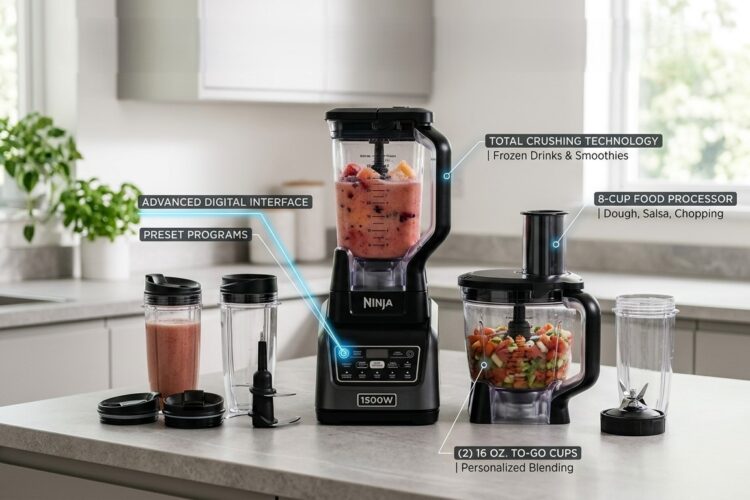
Modern kitchens have changed significantly over the past decade. Where many home cooks once needed separate appliances for different tasks, today’s multi-purpose kitchen systems aim to consolidate functionality into a single unit. The Ninja Kitchen System model BL770 exemplifies this trend—a versatile appliance designed to handle everything from blending smoothies to processing ingredients for salsas and even mixing dough.
Whether you’re someone who regularly prepares fresh drinks, works with whole ingredients in cooking, or simply wants to reduce kitchen clutter, understanding what these systems actually do and how they fit into your routine is important. This guide explores the capabilities, practical applications, and considerations surrounding this particular appliance to help you make an informed decision about whether this type of system would work for your lifestyle.
What Is a Multi-Function Kitchen System?
Before diving into the specifics of the BL770, it’s worth understanding the category it occupies. Multi-function kitchen systems combine blending and food processing capabilities in one base unit. Rather than owning a dedicated blender and a separate food processor, these systems provide interchangeable components—different pitchers, bowls, and accessories—that attach to a single motor base.
The appeal is practical: if your kitchen space is limited, having fewer appliances means less counter or cabinet space consumed. For people who regularly need both blending and processing functions, consolidation can also mean fewer appliances to maintain and clean.
That said, these systems work differently than single-purpose appliances. Understanding both their strengths and their limitations helps set realistic expectations about what they can accomplish.
Key Features and Components
Power and Motor Specifications
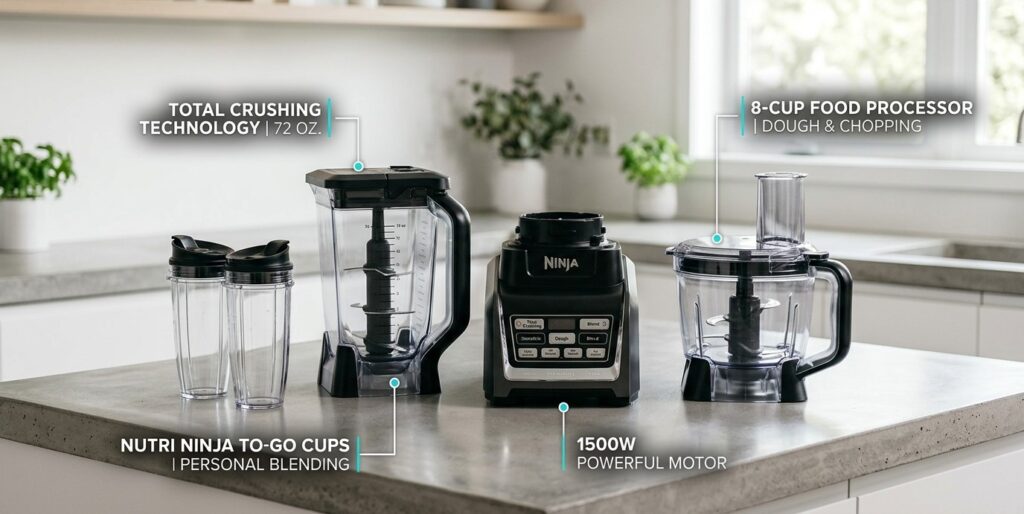
The BL770 operates at 1500 watts, which positions it in the mid-to-upper range of motor power for multi-function systems. Wattage relates to how effectively an appliance can handle different types of food and ingredients. Higher wattage generally allows for:
- Faster processing of harder ingredients
- Better performance with frozen items
- More consistent blending of thick mixtures
- Shorter processing times overall
A 1500-watt motor is sufficient for most household blending and food processing tasks, though very dense ingredients like whole nuts or hard vegetables may require slightly longer processing times than they would in equipment with more powerful motors.
The Pitcher
The primary pitcher that comes with this system is designed for wet blending applications. Pitchers with standard blade arrangements are typically better suited for creating smoothies, shakes, nut butters, and puréed soups. The pitcher’s shape and blade configuration directly affect how ingredients circulate during blending, which impacts the consistency and texture of the final result.
Individual To-Go Cups
Included are two 16-ounce portable cups. These are particularly useful if your household includes multiple people who want individual smoothies or prepared drinks. Rather than blending a large batch and pouring it into separate glasses, some users appreciate being able to blend directly into a personal cup, which means less dishware and easier portability.
These cups typically feature threaded connections that allow them to screw directly onto the motor base, essentially turning the blender into a personal drink-making system. This design means you’re not pouring from a large pitcher each time—the entire preparation and consumption vessel is one piece.
The Food Processing Bowl
The 8-cup capacity food processor bowl represents the system’s non-liquid food handling component. This bowl typically comes with a different blade configuration than the blending pitcher—processing blades are usually designed to chop, mince, and combine rather than to create smooth purées.
An 8-cup capacity is considered medium-sized for food processors. It’s sufficient for preparing ingredients for a family meal, though very large batch cooking might require processing in stages.
Motor Base and Controls
The base unit houses the motor, power controls, and connection points for the various vessels. The control design affects ease of use—some systems feature simple pulse and blend controls, while others may include preset speeds or specialized programs.
How These Systems Can Actually Be Used
Understanding real-world applications helps clarify what these systems are practical for. Here are common uses people incorporate into their routines:
Smoothies and Blended Drinks
This is perhaps the most straightforward application. Combining fruits, vegetables, liquids, and proteins creates nutritious drinks. The motor power available in the BL770 can handle frozen fruit, which means smoothies can have a thick, creamy consistency without requiring watered-down juice.
Some people prepare breakfast smoothies daily. Others use blending capacity for post-workout shakes. The to-go cups are particularly practical here—you can prepare a drink in the morning and take it with you, or have two family members make their own cups simultaneously if the system accommodates dual preparation.
Soups and Purées
Blending cooked vegetables with broth creates soups with smooth textures. This is useful if someone in your household prefers smooth textures, or if you’re preparing baby food or food for people with swallowing difficulties.
The 1500-watt motor can heat soup slightly through friction during processing, though most recipes recommend using already-cooked or warm ingredients rather than expecting the blender to cook ingredients from raw.
Salsa and Chunky Preparations
The food processor bowl excels at creating textured preparations. Chopping tomatoes, onions, cilantro, and peppers into varied sizes creates traditional salsa. Unlike blending, which creates a uniform texture, food processing allows for the controlled chunkiness that makes fresh salsa appealing.
Other chunky preparations that work well include pico de gallo, relishes, and chopped vegetable mixtures for tacos or bowl preparations.
Dough and Thick Mixtures
Food processors are well-established for dough-making because their blade action mimics hand-mixing and cutting motions. Pizza dough, pie crust, biscuit doughs, and cookie doughs can be prepared using the processor bowl. The motor handles the resistance of thick dough better than blender pitchers, which are designed for flowing liquids or soft ingredients.
The key advantage here is speed and consistency—mixing dough by hand is time-consuming, and the processor takes minutes.
Nut Butters
High-speed blending can transform whole nuts into creamy butter. Almonds, peanuts, and other nuts contain enough natural oils that extended blending will eventually break them down into a paste. The motor power in the BL770 is adequate for this, though processing times might be longer than in higher-powered equipment.
Frozen Drinks
Beyond simple smoothies, frozen margaritas, daiquiris, and other blended frozen cocktails rely on the blender’s ability to crush ice and frozen ingredients into a smooth consistency. The 1500-watt motor has sufficient power to handle this common application.
Who Might Find This System Useful
Different household situations and routines make multi-function systems more or less relevant:
Active Individuals and Fitness-Focused People
If someone regularly consumes smoothies or protein shakes, having an efficient blending system streamlines the process. The to-go cups mean they can prepare a drink in minutes and take it with them.
Busy Households with Limited Kitchen Space
Apartments and smaller homes benefit from appliances that serve multiple functions. If counter space is at a premium, consolidating two appliances into one makes practical sense.
People Who Cook from Whole Ingredients
Households that regularly process fresh vegetables, make dough from scratch, and prepare sauces or salsas use both the blending and processing functions regularly. For these cooks, having both capabilities in one system is convenient.
Families with Varied Dietary Preferences
When some family members prefer smooth textures and others like chunky preparations, having both blending and processing options in one base unit means everyone’s preferences can be accommodated without owning multiple systems.
People Interested in Batch Cooking
Preparing soups, sauces, or processed vegetable mixtures in bulk for freezing is easier when you have reliable equipment. The motor power helps process larger quantities more efficiently.
Important Considerations Before Purchasing
Size and Countertop Space
Multi-function systems are more compact than owning separate appliances, but they’re not small. The motor base takes up counter space, and the various bowls and pitchers need storage. Measuring your available space before committing to this type of appliance is practical.
Learning Curve and Versatility Trade-offs
While these systems handle multiple tasks, they’re not always the absolute best choice for each individual function. A dedicated blender might blend more smoothly. A dedicated food processor might have more precise chopping control. Multi-function systems represent balance rather than maximum specialization in any single area.
Motor Power Limitations
The 1500-watt motor is adequate for typical household tasks but isn’t industrial-grade. Extremely dense or large batch processing will take longer than in professional equipment. If your needs include very frequent or very large-volume processing, this might be a constraint.
Blade and Component Longevity
Over time, processing blades can dull with heavy use. Seals and connection points experience wear. Like any appliance, maintenance matters. Understanding the warranty and availability of replacement parts is worth considering.
Noise Level
Most blending and food processing systems generate significant noise. The motor in the BL770 will be audible during operation. If noise sensitivity is a concern in your living situation, this is worth considering.
Cleaning Requirements
Having multiple components—pitcher, bowls, blades, cups, and seals—means more pieces to clean. Some designs are easier to disassemble and wash than others. Food can also get trapped around blade bases, requiring thorough cleaning.
How Multi-Function Systems Compare to Alternatives
Understanding how this category compares to single-purpose alternatives helps contextualize the choice:
Versus Dedicated Blenders
Dedicated high-power blenders often excel at creating smooth beverages and purées. They typically feature motor designs specifically optimized for liquid-based applications. However, they can’t perform food processing tasks. The trade-off is specialization versus versatility.
Versus Food Processors Alone
Dedicated food processors are designed specifically for chopping, mixing, and processing solid ingredients. They often provide more precise control over texture than multi-function systems. For people whose primary need is food processing with occasional blending, a processor plus a basic blender might serve them better.
Versus Separate Blender and Processor
Purchasing separate appliances means each unit is optimized for its specific purpose. The disadvantage is requiring more counter space and the added cost of two separate motors and bases. For people with significant space constraints or budget considerations, a single multi-function system addresses both concerns.
Versus Food Preparation by Hand
Manual chopping, mixing, and blending are free and require no equipment, but they’re also time-consuming and physically demanding. People who prepare food from whole ingredients regularly often find motorized equipment worth the space and financial investment.
Frequently Asked Questions
Can this system replace both my blender and food processor?
For many households, yes. If your usage patterns include both blending drinks and processing whole ingredients, having both capabilities in one base unit eliminates the need for separate appliances. However, if you need specialized performance—extremely smooth blending or very precise chopping—you might find dedicated appliances perform better at their specific functions.
What size batches can it handle?
The pitcher and food processor bowl capacities define batch sizes. The 8-cup processor bowl handles medium-sized batches—sufficient for family meals but not large-scale batch cooking. The pitcher is best suited for individual to small-batch blending. Very large batch processing would require working in stages.
Is 1500 watts enough power for tough ingredients?
For typical household ingredients, yes. You can blend frozen fruits, process raw vegetables, and mix dough effectively. Very dense ingredients like whole hard nuts or extremely thick nut butters will process slower than in higher-powered equipment, but they’ll still process. The motor is not designed for industrial or commercial volume.
How long do these systems typically last?
Appliance longevity depends on usage frequency, maintenance, and care. Regular cleaning, avoiding overfilling, and storing components properly extend lifespan. Most multi-function systems last several years with typical household use. Warranties typically cover defects for one to three years.
Can I use these cups for hot liquids?
Most to-go cups are designed for cold or room-temperature contents. Hot liquids can affect the integrity of seals and connection points. Always check product specifications before using with heated foods or liquids.
What about making ice cream or frozen desserts?
While these systems can handle blending frozen fruits and ice, making ice cream from scratch typically requires equipment designed specifically for that purpose. Frozen custard or sorbet bases can be blended into slushy textures, but achieving true ice cream texture usually requires specialized equipment.
Is the system loud?
Like most blenders and food processors, operation generates significant noise—typically 80-90 decibels during processing. If noise is a concern in your living situation, this is worth considering when planning usage times.
Can it grind grains into flour?
Grinding grains into flour requires sustained high-speed operation and durable blades. While these systems might handle small quantities of softer grains, they’re not designed for regular flour milling. Dedicated grain mills are more suitable for that specific purpose.
What surfaces work best for this appliance?
A stable, level countertop surface prevents vibration and potential tipping during operation. Avoid placing the unit near the edge of the counter. Having a nearby outlet for the power cord prevents the need for extension cords.
Conclusion
The Ninja Kitchen System model BL770 represents a practical choice for households that want consolidated blending and food processing capability without requiring separate appliances. Its 1500-watt motor handles typical household blending and processing tasks effectively, and the included components—pitcher, to-go cups, and processor bowl—provide versatility for various food preparation approaches.
Whether this system makes sense for your situation depends on your specific needs. Active people who regularly consume blended drinks might appreciate the convenience. Cooks who work with whole ingredients benefit from having both processing and blending options. People in space-constrained living situations gain practical efficiency from consolidation.
As with any appliance investment, realistic expectations matter. These systems excel at their intended purposes but represent balance rather than maximum specialization. Understanding how it fits into your actual cooking and beverage-making routines helps determine whether it’s the right fit for your household.